Effective Emergency Food Storage Tips for Preparedness

When it comes to being ready for unexpected situations, having a reliable food supply is essential. Emergencies can strike without warning, and having the right food stored properly can make all the difference. I want to share practical advice on how to build and maintain an effective food storage system that will keep you and your loved ones safe and nourished.
Why Emergency Food Storage Tips Matter
Food is a basic need, and during a natural disaster or any emergency, access to fresh food can become limited or impossible. That’s why emergency food storage tips are crucial. Proper storage ensures your food stays safe, nutritious, and ready to use when you need it most.
When you plan your food storage, think about:
Shelf life of different foods
Nutritional value
Storage conditions like temperature and humidity
Space available in your home
By focusing on these factors, you can create a food supply that lasts and supports your health during tough times.
How to Choose the Right Foods for Storage
Choosing the right foods is the foundation of effective emergency food storage. You want foods that last long, are easy to prepare, and provide balanced nutrition.
Here are some excellent options:
Grains and legumes: Rice, oats, beans, lentils, and pasta have long shelf lives and provide energy and protein.
Canned goods: Vegetables, fruits, meats, and soups are convenient and last for years.
Freeze-dried and dehydrated foods: Lightweight and shelf-stable, these are great for long-term storage.
Nut butters and nuts: Good sources of healthy fats and protein.
Powdered milk and eggs: Useful for baking and cooking.
Honey and sugar: Natural preservatives and energy sources.
Make sure to include a variety of foods to cover all nutritional needs. Also, consider any dietary restrictions or allergies in your household.
How to Store Food Safely and Effectively
Proper storage conditions are key to keeping your food fresh and safe. Here are some tips to help you:
Keep food in a cool, dry place: Heat and moisture can spoil food quickly.
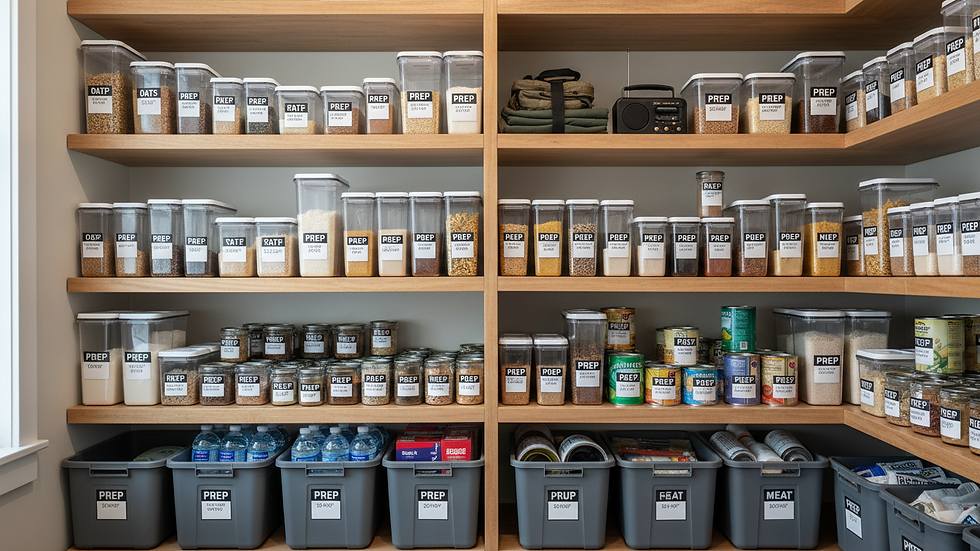
Use airtight containers: This prevents pests and moisture from getting in.
Label everything: Include the purchase or packing date to track freshness.
Rotate your stock: Use older items first and replace them with new ones.
Avoid direct sunlight: Sunlight can degrade food quality.
For example, storing grains in sealed Mylar bags with oxygen absorbers inside a plastic bin can extend shelf life significantly. Canned goods should be stored off the floor to avoid moisture damage.

Organizing Your Emergency Food Storage Space
Organization makes it easier to find what you need quickly. Here’s how to set up your storage area:
Designate a specific area: A pantry, closet, or basement corner works well.
Use shelves and bins: Keep items off the floor and grouped by type.
Create an inventory list: Track what you have and when it expires.
Keep frequently used items accessible: This helps with rotation and quick access.
Consider space-saving solutions: Stackable containers and vacuum-sealed bags save room.
By keeping your food storage tidy and well-organized, you reduce waste and stress during emergencies.
Maintaining Your Food Storage Over Time
Building your food storage is just the start. Maintaining it is equally important. Here are some maintenance tips:
Check your stock regularly: Look for signs of spoilage or damage.
Update your inventory list: Remove used or expired items.
Replenish supplies: Replace items before they expire.
Test your food: Occasionally cook or taste stored foods to ensure quality.
Adjust for changing needs: Add or remove items based on family size or preferences.
Remember, your food storage is a living system. It needs attention to stay effective.
Building Confidence Through Preparedness
Having a well-planned food storage system gives peace of mind. You know you are ready to face emergencies with the essentials covered. This confidence helps reduce anxiety and allows you to focus on other important aspects of preparedness.
If you want to learn more about food storage for emergency preparedness, there are many resources available that offer detailed guides and product recommendations tailored to your needs.
By taking these steps, you are investing in your safety and well-being. Start small, stay consistent, and build your emergency food storage over time. It’s a practical, empowering way to prepare for whatever comes your way.


Comments