How Becoming a Storm Spotter Enhances Your Emergency Preparedness Skills

Severe weather events can strike with little warning, leaving communities vulnerable and unprepared. Becoming a storm spotter offers a unique way to not only help your community but also sharpen your own emergency preparedness skills. This role involves observing and reporting weather conditions, which builds knowledge, awareness, and readiness for storms. If you want to improve your ability to respond effectively during emergencies, becoming a storm spotter is a practical step that delivers real benefits.

What Does a Storm Spotter Do?
Storm spotters are trained volunteers who watch the sky for signs of severe weather such as tornadoes, hail, and damaging winds. They provide real-time reports to local weather offices and emergency services. These reports help meteorologists confirm radar data and issue timely warnings to the public.
Spotters learn to identify cloud formations, wind patterns, and other indicators of dangerous weather. This hands-on experience deepens their understanding of how storms develop and behave. The training usually covers:
Recognizing different types of severe weather
Safe observation techniques
How to communicate accurate reports
Understanding weather terminology and radar basics
By participating in this process, spotters become more aware of weather risks and better prepared to act when storms threaten.
How Storm Spotting Builds Emergency Preparedness
Increased Weather Awareness
Storm spotters develop a keen eye for weather changes. This heightened awareness helps them notice early signs of trouble that others might miss. For example, spotting wall clouds or sudden wind shifts can indicate a tornado forming nearby. This skill translates directly into personal safety by allowing spotters to seek shelter sooner and advise others to do the same.
Practical Knowledge of Weather Systems
Training and experience give spotters a solid grasp of how storms form and evolve. They learn about atmospheric conditions, storm structure, and the typical progression of severe weather events. This knowledge helps spotters understand official warnings and forecasts better, making their emergency plans more effective.
Improved Communication Skills
Storm spotters practice clear and concise reporting. They learn to describe weather phenomena accurately and relay information quickly to authorities. These communication skills are essential during emergencies when clear instructions can save lives. Spotters often become community resources who help spread reliable information during crises.
Hands-On Emergency Experience
Being a storm spotter means actively participating in emergency response efforts. Spotters often work alongside local emergency managers, first responders, and weather services. This involvement provides insight into how emergency systems operate and how to coordinate during disasters. It also builds confidence in handling stressful situations.
Building a Safety Network
Storm spotters connect with others who share an interest in weather safety. This network can include local emergency officials, meteorologists, and fellow volunteers. Having these connections strengthens community resilience and provides support during emergencies. Spotters often exchange tips, updates, and resources that improve overall preparedness.
Examples of Storm Spotting Impact
In many cases, storm spotters have played a crucial role in saving lives and reducing damage. For instance, during the 2011 tornado outbreak in the southern United States, spotters provided early warnings that helped communities take shelter before tornadoes struck. Their reports confirmed radar data and allowed emergency services to respond faster.
Another example comes from hailstorm events where spotters’ reports helped warn farmers and residents to protect property and livestock. These timely alerts minimized losses and improved recovery efforts.
How to Get Started as a Storm Spotter
If you want to become a storm spotter, here are the typical steps:
Find a local program: Many regions have storm spotter programs run by the National Weather Service or local emergency agencies.
Complete training: Training sessions often include online courses and in-person workshops covering weather basics and reporting procedures.
Get equipped: Basic tools include a reliable communication device, weather apps, and sometimes binoculars or cameras.
Stay safe: Learn safe observation practices, such as maintaining a clear escape route and avoiding dangerous areas.
Report observations: Use established channels to send accurate and timely reports during severe weather.
How Storm Spotting Improves Your Personal Emergency Plan
By becoming a storm spotter, you gain insights that help you build a stronger emergency plan. You learn when to take warnings seriously and how to prepare your home and family. Spotters often develop habits like:
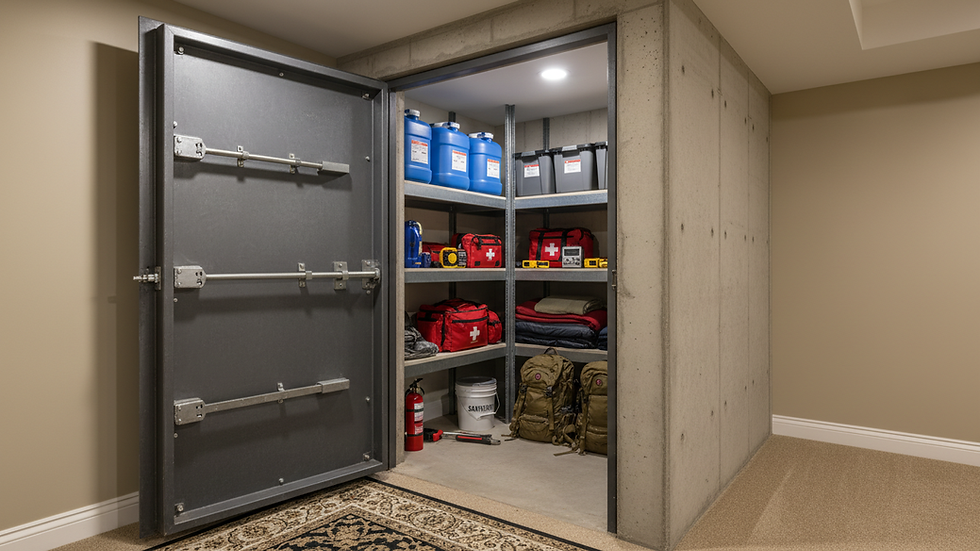
Keeping emergency kits ready
Monitoring weather updates regularly
Knowing safe shelter locations
Practicing evacuation routes
These habits reduce panic and confusion during storms and increase the chances of staying safe.
The Broader Community Benefits
Storm spotters contribute to the safety of their entire community. Their reports improve the accuracy of weather warnings, giving everyone more time to prepare. This collective effort reduces injuries, saves property, and supports emergency responders.
Communities with active storm spotter programs often experience fewer casualties and faster recovery after severe weather events. Spotters also help educate neighbors about weather risks and preparedness, spreading awareness beyond official channels.


Comments