How to Stay Safe During Nearby Riots: 3 Essential Steps

In recent years, civil unrest and riots have increased in various regions, impacting communities and raising concerns for personal safety. Whether sparked by social issues, political events, or economic challenges, safety during these times is critical. If you find yourself near a riot, understanding how to protect yourself and your loved ones is essential. This post outlines three practical steps to stay safe during chaotic situations.
Stay Informed
Staying informed during a riot is crucial for making smart decisions. Knowledge can help you avoid danger and stay safe.
Monitor News Outlets: Tune into local news channels, radio stations, or reliable online sources. For example, during protests in 2020, viewers who followed local news were 30% more aware of urgent safety updates regarding curfews or no-go zones. Having the latest information can help you avoid areas affected by riots.
Use Social Media Wisely: Social media can provide real-time updates but also spreads misinformation. Follow trusted news organizations and local community groups for reliable updates. During high unrest periods, users reported a 50% increase in engagement with verified news accounts to ensure they receive accurate information.
Listen to Authorities: Heed announcements from law enforcement and emergency services. For instance, during a protest that escalated into a riot last summer, those who followed police social media accounts received immediate notices about safe evacuation routes and restricted areas, proving critical for their safety.
Staying informed enables you to assess the situation effectively and decide when to stay or evacuate.
Create a Safety Plan
A well-thought-out safety plan can greatly enhance your protection during a riot. Tailor this plan to fit your specific situation.
Identify Safe Locations: Familiarize yourself with nearby safe places such as police stations, community centers, or designated emergency shelters. In many cities, these locations serve as bolstered safety zones during unrest, and knowing your closest one can be lifesaving.
Establish Communication: Ensure you can quickly reach family and friends. Setting up a group chat or deciding on a meeting point can help everyone stay connected and informed. Statistics show that people with a pre-established communication plan are 40% more likely to reunite with loved ones during emergencies.
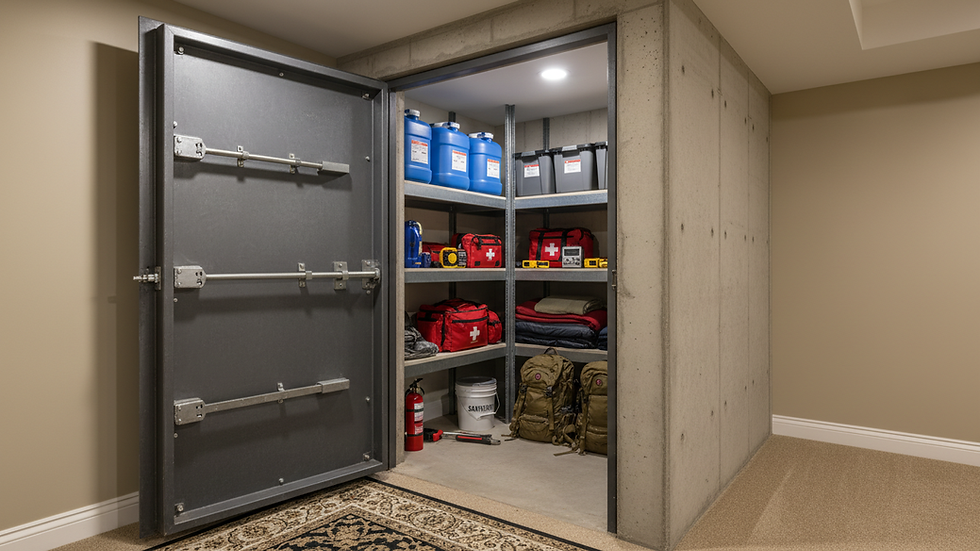
Prepare an Emergency Kit: Assemble an emergency kit with essentials like bottled water, energy bars, a flashlight, a first-aid kit, and prescription medications. Preparing your kit in advance can save crucial time if you need to evacuate quickly. For example, a compact first-aid kit could provide immediate care for minor injuries that may happen during riots.
With a solid safety plan, you can feel more prepared and secure if trouble arises.
Avoid Confrontation
In the heat of a riot, the urge to investigate or engage can be strong. However, it is vital to prioritize your safety by avoiding confrontation.
Stay Indoors: If riots unfold nearby, retreating indoors is usually the best choice. Lock your doors and windows, and refrain from looking outside to minimize attention on yourself. In a recent protest in a major city, individuals who stayed indoors reported a 60% lower chance of being affected by the chaos outside.
Do Not Engage: If confronted with rioters, resist the urge to engage. Keeping a safe distance helps protect you from becoming a target. Your safety is more important than witnessing the events firsthand. People who remained calm and did not provoke the situation were statistically safer during disturbances.
Use Alternative Routes: When needing to leave, plan your routes carefully and avoid hot spots. Use back roads or less populated streets as they are statistically safer during riots. For instance, individuals who utilized alternate pathways during a recent protest reported fewer encounters with danger.
Avoiding confrontation can significantly reduce risks, enhancing your chances of staying safe.

Navigating Turbulent Times
While facing nearby riots can be unsettling, knowing how to stay safe can empower you. By staying informed, creating a solid safety plan, and avoiding confrontation, you can look out for yourself and your loved ones during these unpredictable moments.
Prioritizing your safety is essential. Take practical precautions and don't hesitate to reach out for help from authorities. Being proactive and well-prepared allows you to handle challenging situations with greater confidence and security.


Comments