Staying Safe During Winter Weather Emergencies: Winter Weather Safety Tips

Winter weather emergencies can strike suddenly and with great force. Snowstorms, ice storms, and freezing temperatures create dangerous conditions that require careful preparation and calm action. I want to share practical advice to help you stay safe and comfortable during these challenging times. By following these winter weather safety tips, you can protect yourself and your loved ones from harm.
Understanding Winter Weather Safety Tips
Winter weather emergencies are more than just an inconvenience. They can disrupt power, block roads, and create life-threatening situations. Knowing what to expect and how to respond is essential. Here are some key winter weather safety tips to keep in mind:
Stay informed: Monitor weather forecasts regularly. Local news, weather apps, and emergency alerts provide vital updates.
Prepare your home: Insulate pipes, seal windows, and check heating systems before winter arrives.
Create an emergency kit: Include food, water, blankets, flashlights, batteries, and a first aid kit.
Plan your travel carefully: Avoid unnecessary trips during storms. If you must travel, keep an emergency kit in your vehicle.
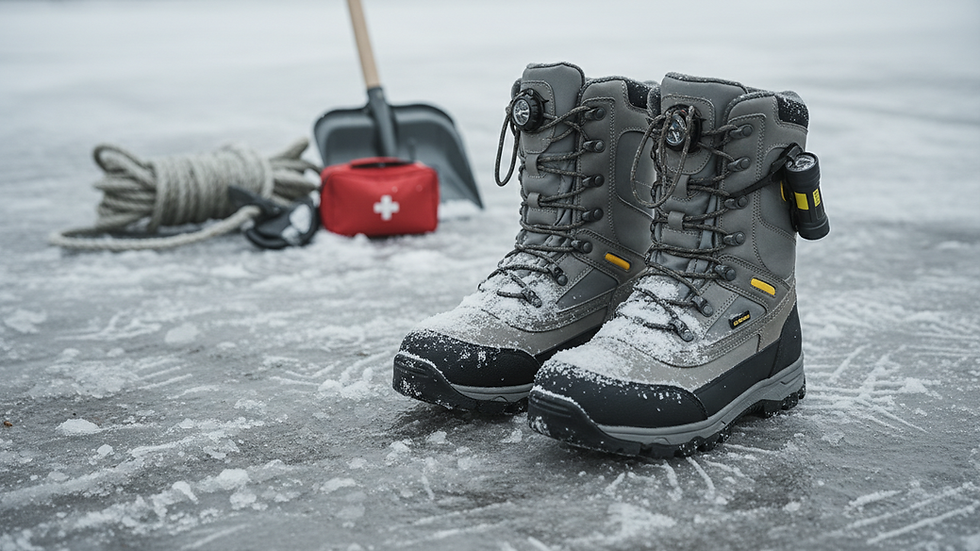
Dress appropriately: Wear layers, waterproof boots, hats, and gloves to prevent frostbite and hypothermia.
These tips are simple but effective. They help reduce risks and increase your confidence when winter weather strikes.
Preparing Your Home for Winter Weather Emergencies
Your home is your first line of defense during winter weather emergencies. Taking steps to winterize your house can prevent damage and keep you safe.
Insulate pipes: Frozen pipes can burst and cause flooding. Wrap pipes in insulation or use heat tape.
Seal drafts: Use weather stripping or caulk around windows and doors to keep cold air out.
Check your heating system: Have your furnace or boiler serviced annually. Keep extra fuel or wood if you use a fireplace or stove.
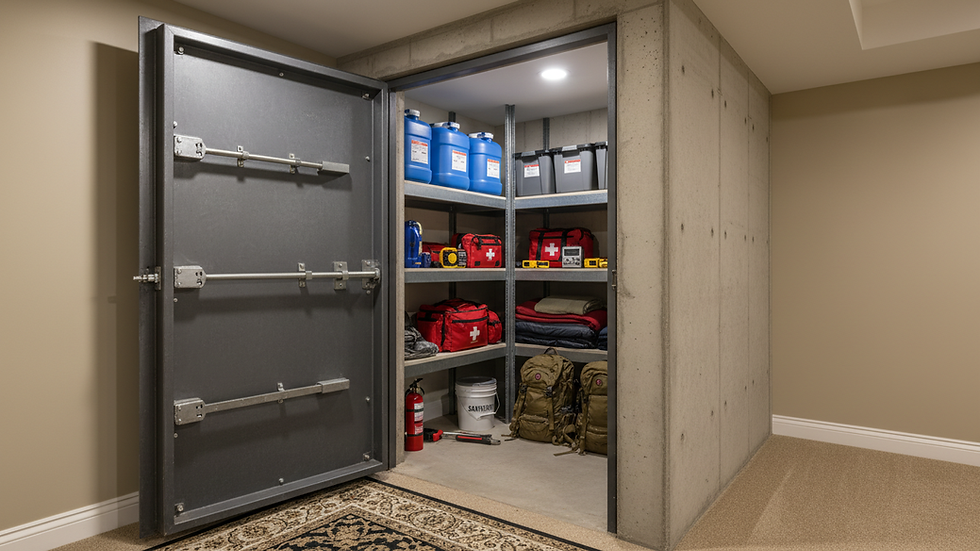
Stock up on supplies: Store non-perishable food, bottled water, and medications for at least three days.
Prepare for power outages: Have flashlights, batteries, and a battery-powered radio ready. Consider a generator if power loss is common in your area.
Taking these steps now can save you from discomfort and costly repairs later. Remember, a warm and secure home is crucial during winter emergencies.

Staying Safe Outdoors During Winter Storms
Sometimes, you may need to be outside during winter weather emergencies. Whether shoveling snow or traveling, safety is paramount.
Dress in layers: Multiple layers trap heat better than one thick layer. Include a waterproof outer layer.
Protect extremities: Wear gloves, hats, scarves, and insulated boots.
Limit exposure: Take frequent breaks indoors to warm up. Avoid overexertion, which can lead to heart attacks.
Be cautious on ice: Walk slowly and use handrails. Use salt or sand on walkways to prevent slips.
Drive carefully: If you must drive, reduce speed, increase following distance, and keep headlights on.
By respecting winter’s power and preparing properly, you can reduce the risk of injury or accidents outdoors.
Creating a Winter Weather Emergency Plan
Having a clear plan is one of the best ways to stay safe during winter weather emergencies. A plan helps you act quickly and confidently.
Identify safe areas: Know where to stay warm and sheltered in your home.
Communicate with family: Make sure everyone knows the plan and emergency contacts.
Prepare for power outages: Decide how you will stay warm and keep food safe.
Plan for pets: Ensure they have food, water, and shelter.
Know your community resources: Locate warming centers, shelters, and emergency services nearby.
Practice your plan regularly. The more familiar you are with it, the better you will handle an emergency.
Essential Winter Weather Preparedness Tips for Your Vehicle
Your vehicle can become a lifeline or a hazard during winter weather emergencies. Preparing it properly is critical.
Winterize your vehicle: Check antifreeze levels, battery, brakes, and tires.
Keep a winter emergency kit: Include blankets, food, water, a flashlight, jumper cables, a shovel, and sand or kitty litter for traction.
Fill your gas tank: Keep it at least half full to avoid fuel line freeze-up.
Inform someone of your route: If you must travel, let someone know your destination and expected arrival time.
Avoid driving in severe weather: If conditions worsen, find a safe place to wait it out.
These steps can save your life if you get stranded or face hazardous road conditions.
For more detailed advice, check out these winter weather preparedness tips.
Staying Calm and Helping Others During Winter Emergencies
In any emergency, staying calm is vital. Panic can lead to poor decisions and accidents. Here are some ways to maintain calm and support others:
Stay informed but avoid overload: Get updates from trusted sources but limit exposure to stressful news.
Keep communication open: Check on neighbors, especially the elderly or those with special needs.
Share resources: If you have extra supplies, consider helping those who may not be as prepared.
Follow safety instructions: Listen to local authorities and emergency responders.
Take care of your mental health: Rest, eat well, and stay connected with loved ones.
Helping others and staying calm strengthens the whole community during tough times.
Winter weather emergencies can be daunting, but with the right preparation and mindset, you can face them safely. Remember to prepare your home and vehicle, dress appropriately, and have a clear emergency plan. Keep these winter weather safety tips in mind, and you will be ready to handle whatever winter throws your way. Stay safe and warm!


Comments